
High-Intensity Interval Training (HIIT): Effective and time-saving training
What is HIIT?
High-Intensity Interval Training, also known as high-intensity interval training, is a training method where intense exertion phases alternate with short recovery phases. This form of training is especially effective because it pushes the body to its performance limit in a short time and sustainably stimulates metabolism.
Typically, a HIIT workout lasts between 4 and 30 minutes. The combination of high intensity and short rest periods achieves maximum calorie burn – ideal for people with little time and clear fitness goals.
HIIT is versatile and suitable for both beginners and advanced athletes. It can be applied to almost any sport, from running and cycling to bodyweight exercises.
How does HIIT work?
The basis of HIIT is clearly defined intervals of exertion and recovery:
- Exertion phase: This usually lasts between 20 and 60 seconds. During this time, the body is worked at 85-100% of maximum heart rate. The goal is to expend as much energy as possible and raise the heart rate.
- Recovery phase: This lasts between 10 and 30 seconds. During this time, the body is deliberately slowed down to briefly regenerate before the next exertion phase begins.
These intervals are repeated several times. Depending on fitness level, a HIIT workout can consist of a few rounds or a longer interval plan. Due to the high intensity, the body not only burns calories during the workout but also remains in an elevated metabolic state afterward – an effect often called the "afterburn effect."
Benefits of HIIT
HIIT offers a variety of benefits that set it apart from conventional endurance training:
Effective calorie burning
HIIT burns more calories in a short time than traditional endurance training. The high intensity causes the body to keep using energy even after the workout.
Afterburn effect
After a HIIT workout, metabolism remains elevated for hours. This means the body continues to burn extra calories even at rest.
Time-saving
An intense 15- to 20-minute HIIT workout can achieve similar results to an hour of moderate exercise. This makes HIIT especially attractive for people with little time.
Fat reduction, especially in the abdominal area
Studies show that HIIT is especially effective at reducing visceral fat – the fat that accumulates in the abdominal cavity around the organs. This fat is not only aesthetically undesirable but also problematic for health.
Muscle building
Unlike pure cardio training, HIIT can simultaneously reduce fat and build muscle mass. This is because many HIIT exercises include strength components.
Improvement of endurance
HIIT increases cardiorespiratory fitness faster than moderate training. The cardiovascular system is strengthened, and oxygen uptake improves.
HIIT Methods
There are various methods to structure HIIT, depending on fitness level and goals. Here are some of the most well-known approaches:
1st Tabata Method
20 seconds of maximum effort, followed by 10 seconds of rest.
8 rounds, total of 4 minutes.
Especially suitable for beginners or as a short, intense session at the end of a workout.
2nd Little Method
60 seconds of intense effort, followed by 75 seconds of rest.
12 repetitions.
Perfect for people with an intermediate fitness level who want to improve their endurance and fat burning.
3rd Turbulence Method
Combination of strength and cardio exercises.
Typical procedure: A strength exercise (e.g., squats) is combined with an intense cardio exercise (e.g., burpees).
Ideal for advanced individuals who want to train both strength and endurance.
Why is HIIT so effective against fat?
HIIT specifically targets fat reserves, especially the health-risky belly fat. The intense exertion stimulates fat metabolism and causes the body to draw energy from fat reserves.
Another advantage: during and after training, stress hormones like cortisol are reduced, which are often associated with increased fat storage. Muscle building also increases the basal metabolic rate, meaning the body burns more calories even at rest.
Combination of HIIT with nutrition and supplements
To fully exploit the benefits of HIIT, a balanced diet is essential. Additionally, certain supplements can support training success:
Fat burners
These help to further stimulate fat metabolism and increase energy production.
Amino acids
Especially BCAAs (branched-chain amino acids) support recovery and prevent muscle mass breakdown.
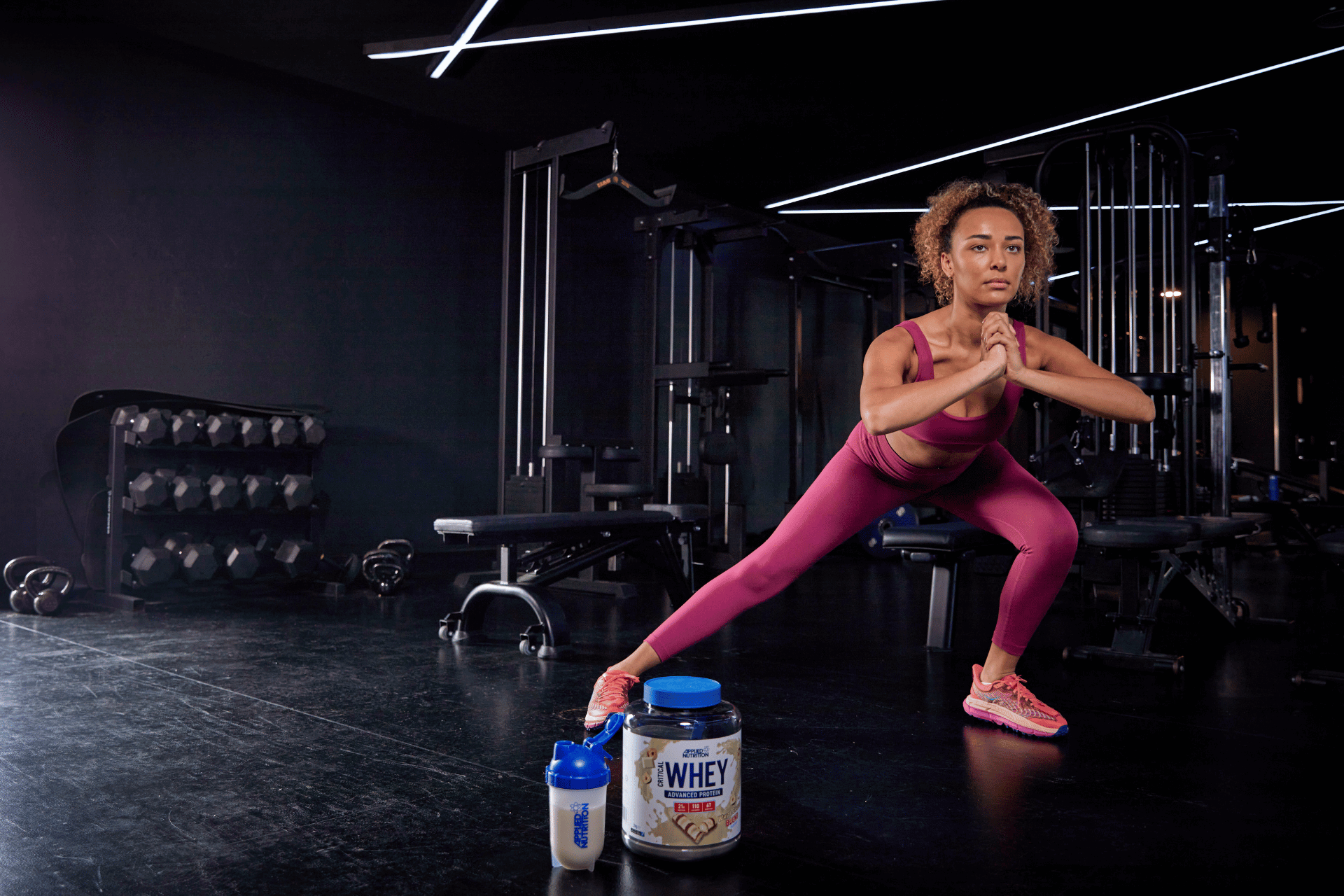
Protein shakes
They promote muscle growth and help meet the increased protein needs after intense workouts.
Tips for beginners
HIIT can be strenuous, so it is important to start gently:
- Start with lower intensities and shorter exertion phases.
- Choose exercises that match your current fitness level.
- Pay attention to the correct execution of exercises to avoid injuries.
- Allow yourself sufficient breaks between training days so that your
- Body can recover.
- Consult a doctor if you have any health concerns.
HIIT is one of the most effective methods to achieve impressive results in a short time. Whether you want to burn fat, build muscle, or improve your endurance – HIIT offers a wide range of benefits. It is important to adjust your training to your fitness level and maintain a balanced diet.
Complement your training with suitable supplements like fat burners and amino acids to reach your goals even faster. High-Intensity Interval Training is more than just a trend – it is a revolutionary training method accessible to everyone.


Leave a comment
This site is protected by hCaptcha and the hCaptcha Privacy Policy and Terms of Service apply.